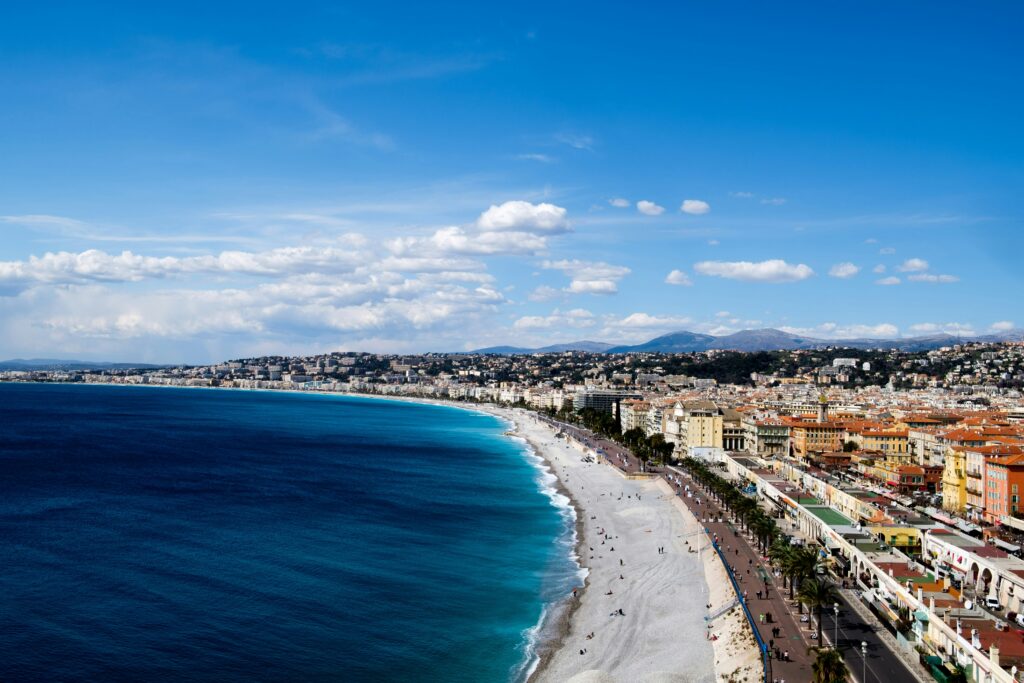
The G7 FSOI co-sponsored two events for the One Ocean Science Congress (June 3-6, 2025) and Third UN Ocean Conference (June 9-13) in Nice, France to highlight ocean science advancements in Digital Twins of the Ocean and Marine Life Observations.
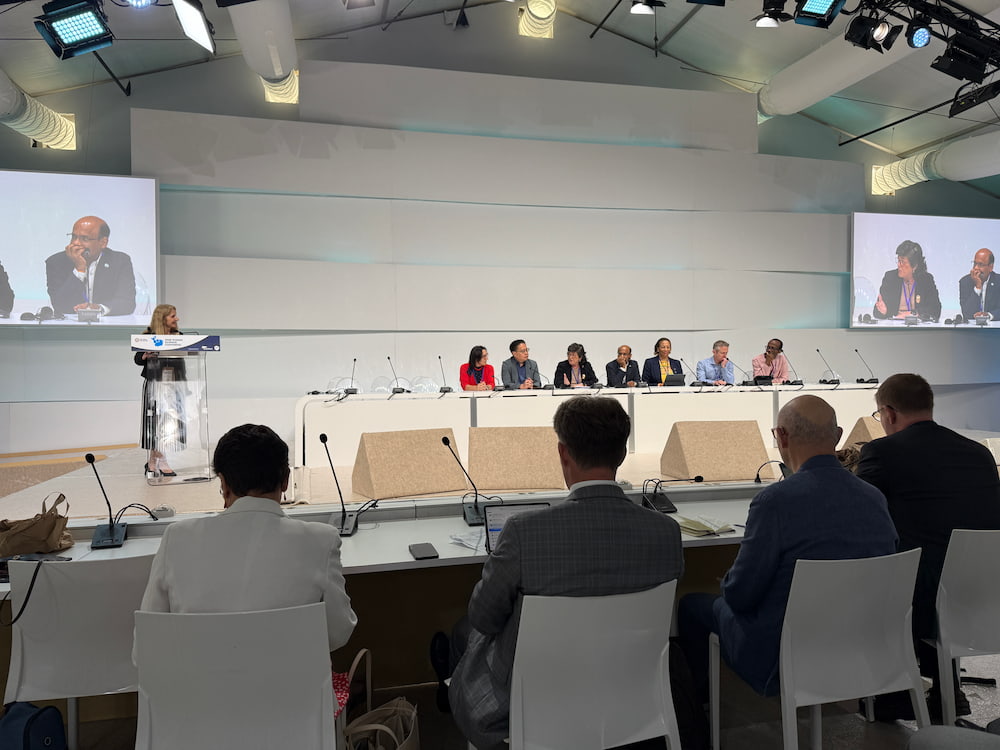
On June 4, 2025, a One Ocean Science Congress townhall titled “Marine Knowledge at the Fingertips of Our Communities: Designing Digital Twins of the Ocean” brought together global experts and over 200 attendees to explore the potential of Digital Twins of the Ocean (DTO) for a healthier and more resilient Ocean for future generations. Organized by the European Commission, the DITTO Decade Programme, and the G7 FSOI, the event highlighted how DTOs – dynamic virtual representations of the ocean – can enable policymakers, decision-makers and other users to establish “what if” scenarios relevant to understand and manage marine or coastal environments. Speakers emphasized the need for robust data ecosystems, integration of advancements in AI and modeling, and inclusive governance to ensure DTOs are using the best available science and are transparent, accessible and equitable.
Throughout the session, panelists showcased practical applications, such as for nature-based solutions for coastal erosion in Ghana and collaborative infrastructure platforms like the European DTO (EDITO). Discussions also addressed the environmental impacts of data centers, the role of citizen science and local knowledge, and the need for global capacity building, especially in underserved regions. Participants and panelists called for stronger international collaboration and public-private partnerships to position DTOs as a global public good that can empower communities and shape informed and sustainable ocean policies.
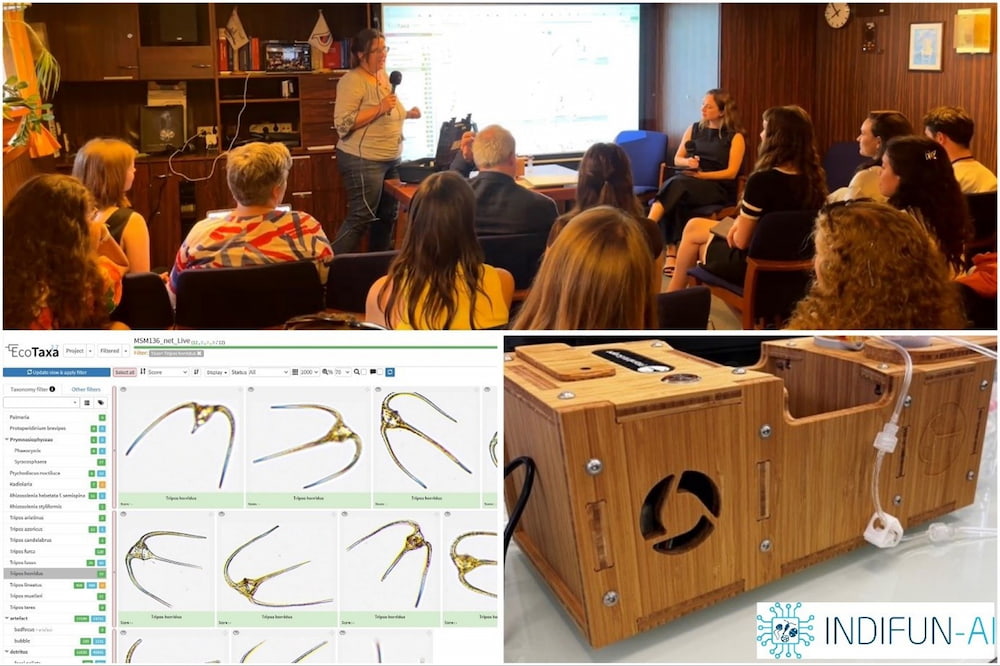
The following week at the UN Ocean Conference, Dr. Alexandra Kraberg and Dr. Astrid Cornils from the Alfred-Wegner Institute for Polar and Marine Research in Germany led several live demonstrations of a PlanktoScope, a modular imaging platform developed by Fairscope for citizen oceanography. The live demonstration was part of the public-facing European Digital Ocean Pavillion programme and also featured in a special side event aboard the German research vessel METEOR, docked in the port of Nice. Dr. Kraberg is a nominated expert of the G7 FSOI group “Augmented Observing and Forecasting for Marine Life” and project coordinator of INDIFUN-AI, a project aimed at characterizing planktonic communities and developing novel biodiversity indicators for the Arctic, at the Alfred Wegener Institute for Polar and Marine Research in Germany.
The PlanktoScope is a portable, low-cost imaging device paired with a standardized data processing pipeline. It enables real-time image uploads to the EcoTaxa platform and supports scalable, high-resolution monitoring of marine plankton. This tool helps address critical knowledge gaps and supports global initiatives like SDG 14 and the Biodiversity Beyond National Jurisdiction (BBNJ) process. A recording of the PlanktoScope demonstration is available here (4:46:38 to 5:01:22).
Finally, a session on the World Ocean Assessment titled “Ocean Science and Its Policy Interface: from Knowledge to Sustainable Ocean Solutions” was held as a Regular Process side event at UNOC-3 on June 12, 2025, and was supported by the EU and Germany as joint organizing partners. Organized into two panels on science and policy, it brought together scientists, policymakers, and international organizations who highlighted the need for compatibility and synergies between global and regional assessments by showcasing their scalable, science-based initiatives. This kind of support for the World Ocean Assessment is one of the 2025 priority activities of the G7 FSOI.
The G7 FSOI and UN Ocean Decade
Click here for more information about how the G7 FSOI supports the UN Ocean Decade for Sustainable Development (2021 – 2030).